January 30, 2026
The Way People Use the Internet Has Changed
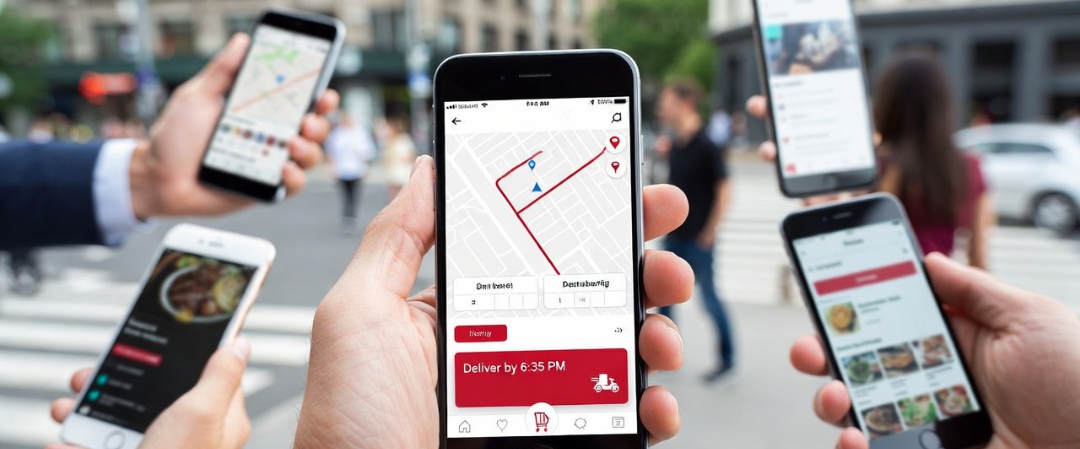
Most people don’t browse the internet anymore, they live inside apps.
Think about your own phone usage. Social media, banking, fitness, dating, shopping, messaging, productivity, all app-based. Even when people "go online," they usually do it through an app wrapper, not a browser tab.
Websites require intent:
Apps remove friction:
Convenience always wins.
Websites adapt to mobile.
Apps are born mobile.
Mobile traffic has dominated for years, yet many websites still feel like shrunk-down desktop experiences. Apps, on the other hand, are designed around thumbs, gestures, sensors, and real-world context.
Apps can:
This makes them feel less like "pages" and more like tools and users trust tools.
Modern users expect:
Apps excel at this.
Because apps are tied to user accounts and devices, they can learn behaviour over time and respond dynamically. Websites can personalise, but apps do it better, faster, and more persistently.
A good app doesn’t ask users who they are every visit. It already knows.
People associate speed with quality.
Apps typically outperform websites because they:
When something feels instant, users trust it more especially in areas like payments, health, or business operations.
A slow website feels temporary.
A fast app feels permanent.
Websites are passive. Apps are proactive.
Push notifications allow brands to:
Used well, they don’t interrupt, they assist.
This turns apps into ongoing relationships rather than one-off visits. A website waits for attention. An app earns a place in someone’s daily routine.
There’s a psychological shift here.
A website says: “We exist.”
An app says: “We’re invested.”
Users subconsciously read apps as:
That’s why startups, service providers, and even traditionally offline industries are prioritising apps early. In many cases, the app launches before the website.
Interestingly, even website technology is moving towards apps.
Progressive Web Apps (PWAs) offer:


